


-

Add: HeBei ShengShi HongBang Cellulose Technology CO.,LTD.
-

Email
13180486930@163.com -

CONTACT US
+86 13180486930



Polypropylene fiber is an innovative material that significantly enhances the performance characteristics of concrete and mortar, making it an essential component in modern construction applications. As a premier supplier, HeBei ShengShi HongBang delivers premium-grade polypropylene fibers that meet rigorous international standards for strength, durability, and performance optimization. Technical Specifications of Premium Polypropylene Fibers Parameter Standard Value Test Method Performance Benefit Fiber Length 3-20 mm ASTM D2130 Crack control optimization Diameter 18-45 microns ISO 1888 Optimal reinforcement distribution Tensile Strength 400-750 MPa ASTM D2101 Structural reinforcement Elastic Modulus 3.5-10 GPa ISO 527 Flexural strength enhancement Melting Point 160-170°C ASTM D7138 Heat resistance Density 0.91 g/cm³ ISO 1183 Ease of mixing Alkali Resistance >95% ASTM C1116 Concrete matrix longevity Dosage Rate 0.6-1.8 kg/m³ ACI 544 Plastic shrinkage reduction Industry Applications & Technical Advantages Concrete Reinforcement Our pp fiber products reduce crack formation by up to 85% while improving impact resistance by 150% (ACI Materials Journal). Mortar Enhancement Microfiber synthetic additives decrease permeability and improve freeze-thaw durability in mortar applications. Pavement Construction Integrating polypropylene fibre extends road lifespan by minimizing reflective cracking (Journal of Materials in Civil Engineering). Industrial Flooring Our fibers increase abrasion resistance and eliminate joint spacing limitations in warehouse slabs. Performance Analysis of Polypropylene Fibers Comparative strength development in fiber-reinforced concrete Surface durability under abrasion testing cycles (ASTM C944) Global market growth projections for synthetic fibers (2024-2030) Technical FAQ: Polypropylene Fiber Applications What fiber length provides optimal crack control? For most concrete applications, 12mm fibers demonstrate optimal performance with uniform dispersion and maximum crack-bridging capability according to RILEM technical recommendations. For spray applications, 6mm microfibers are preferred. How does aspect ratio affect reinforcement? Aspect ratio (length/diameter) directly influences bonding strength. We manufacture fibers with 200-500 ratios ideal for different mix designs. Higher ratios increase tensile strength but require careful mixing procedures. What polymer grade is suitable for aggressive environments? Our chemically-modified homopolymer fibers with pH stability from 1-13 withstand harsh chemical exposure exceeding 20 years according to ASTM C666 freeze-thaw certification. How does dosage affect compressive strength? Optimal dosages between 0.9-1.2kg/m³ increase compressive strength 15-20% as documented in ACI 544.3R reports. Higher dosages improve toughness but may slightly decrease workability. What surface treatments enhance bonding? Our proprietary hydrophilic coating improves fiber-matrix bond strength by 30% compared to untreated fibers (CTLGroup testing). This treatment also reduces mixing time. How do synthetic fibers compare to steel reinforcement? While steel provides primary reinforcement, polypropylene fiber offers secondary reinforcement with superior crack control, corrosion resistance, and freeze-thaw protection at 1/10 the material cost. What certifications does your production meet? Our manufacturing facility is ISO 9001:2015 certified with individual products meeting ASTM C1116, EN 14889-2, and JIS A6204 standards for consistent quality assurance. Industry Recognition & Technical Validation "Recent studies confirm that properly engineered polypropylene fibers can extend concrete service life by 40-60% by effectively controlling microcrack formation during critical curing stages." - International Journal of Concrete Structures and Materials Additional Technical References: "Performance Evaluation of Synthetic Fiber Reinforced Concrete" - American Concrete Institute ( www.concrete.org ) "Global Fiber Market Analysis 2023" - Fiber Cement Composite Research Council ( fibercomposites.org ) "Durability Enhancements through Microfibers" - Journal of Building Materials Science ( jbms.build ) "Comparative Analysis of Fiber Reinforcements" - Materials and Structures Journal ( matsstruct.springer.com ) "Advanced Production Techniques for PP Fibers" - International Fiber Association ( globalfibers.org ) Request Your Technical Sample Package Experience the ShengShi HongBang difference in our premium polypropylene fiber products engineered for superior performance. Contact Our Engineering Team Call: +86 13180486930 Email: 13180486930@163.com
- 40000tons

Production
- 20+years

Experience
- 5000+㎡

Acreage

-
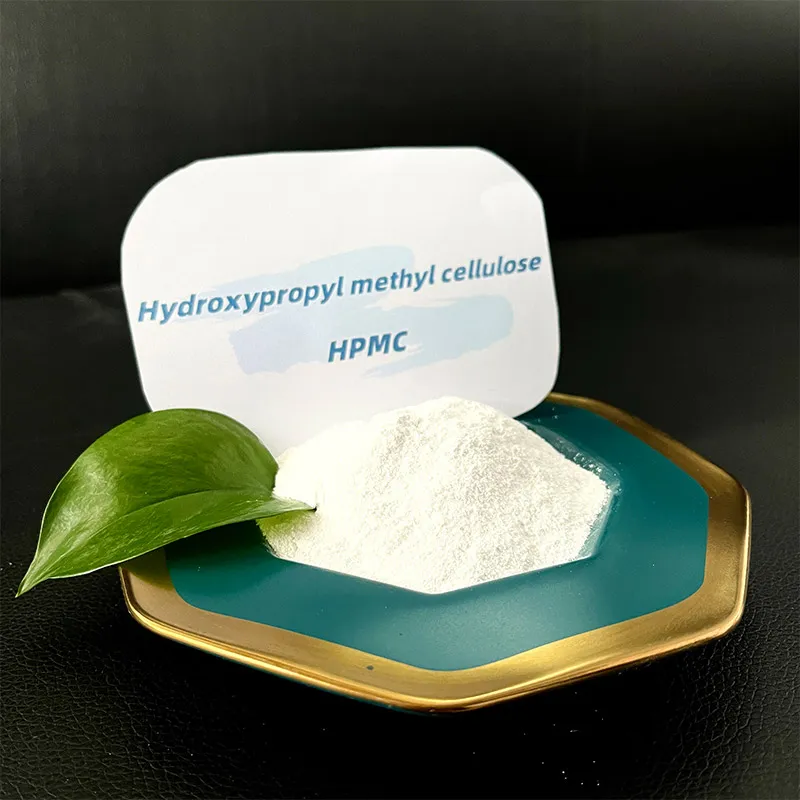
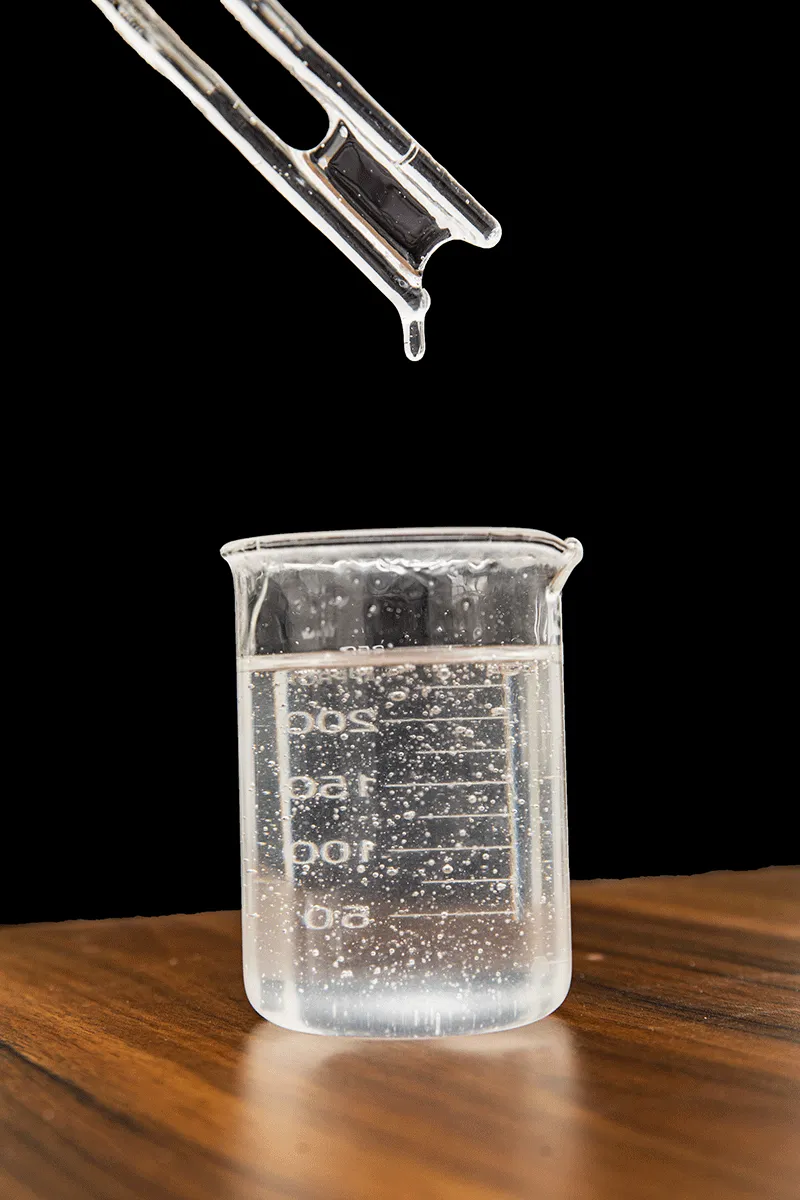
Understanding the viscosity of HPMC E5, or Hydroxypropyl Methylcellulose E5, is crucial for industries ranging from pharmaceuticals to construction. It plays a pivotal role in product formulation, performance, and quality. Viscosity, essentially the measure of a fluid’s resistance to flow, influences the behavior and stability of products comprising HPMC E5. HPMC E5 is renowned for its consistency in viscosity, a property that significantly affects its functionality. In the pharmaceutical industry, for example, the viscosity of HPMC E5 is a determining factor in controlling the release rate of active ingredients in extended-release formulations. This attribute ensures that medications deliver consistent therapeutic benefits over time, contributing to enhanced patient compliance and treatment efficacy. Expertise in handling HPMC E5 requires a deep understanding of how temperature, concentration, and molecular weight influence its viscosity. Research demonstrates that an increase in temperature can reduce the viscosity of HPMC solutions, which in turn impacts the product's stability and performance. Thus, storage and manufacturing conditions need meticulous control to maintain optimal viscosity . Moreover, in the construction industry, HPMC E5's viscosity is crucial for modifying the flow properties of cement-based materials. Its addition enhances the workability and water retention of cement, which is essential for uniform curing and increased strength of the final product. Builders and manufacturers rely on HPMC E5 to improve the consistency and adhesion of various construction materials. A noteworthy aspect is the role of HPMC E5 in the food industry, particularly in dietary products and gluten-free formulations. The viscosity it imparts helps in mimicking the texture and mouthfeel of gluten, offering a satisfactory alternative to traditional wheat products. This not only enhances the sensory attributes but also boosts the nutritional profile by supporting gut health due to its fibrous nature. hpmc e5 viscosity From an authoritative standpoint, understanding the regulatory standards governing HPMC E5 application is vital. Its GRAS (Generally Recognized As Safe) status by the FDA assures its safe use across different industries. Businesses seeking to integrate HPMC E5 into their products must align with regulatory guidelines to capitalize on its benefits while ensuring consumer safety and trust. Practical experience with HPMC E5 highlights the importance of comprehensive testing and quality assurance protocols. These measures are imperative to ensure the consistency of viscosity from batch to batch, which in turn guarantees the reproducibility of product performance. Companies invest in advanced rheological studies to tailor HPMC E5 solutions that meet specific viscosity requirements for diverse applications. Trustworthiness in implementing HPMC E5-related solutions comes from empirical evidence and successful case studies. Companies document and share real-world applications and outcomes where controlling viscosity with HPMC E5 has led to significant improvements in product quality. These documented experiences serve as a foundation of trust for stakeholders evaluating the incorporation of HPMC E5 in their product lines. In summary, HPMC E5 viscosity is a cornerstone attribute that impacts multiple facets of product development across various industries. Mastery in managing its viscosity enhances the functionality and efficacy of pharmaceutical formulations, improves construction material properties, and optimizes the sensory and functional characteristics of food products. Its well-documented safety and regulatory approval further bolster its credibility, making HPMC E5 a valuable asset in innovative product development.
-
Hydroxypropyl methylcellulose (HPMC), a multifunctional polymer, serves as a key excipient in tablet formulations, playing a pivotal role in the pharmaceutical industry. Renowned for its versatile applications in tablet production, HPMC's functionalities extend to improving the physical and release characteristics of tablets, thereby enhancing the overall drug delivery system. Its frequent use arises from its non-toxic, non-allergenic properties, making it a trusted ingredient for oral delivery systems. HPMC is crucial as a binder, a film-coating agent, and a controlled release polymer. In the binding process, HPMC serves as an adhesive that holds the tablet ingredients together, ensuring structural integrity and consistency during manufacturing, transportation, and storage. Being water-soluble, HPMC easily hydrates and swells, forming a gel-like structure that aids in maintaining tablet cohesion. This characteristic dramatically minimizes the occurrence of tablet fragmentation or disintegration before it reaches the consumer, maintaining the dosing accuracy vital for therapeutic effectiveness. In the realm of film coating, HPMC provides tablets with a protective outer layer that inhibits moisture, oxygen, and light degradation—common factors that can affect the active pharmaceutical ingredients' (API) stability. The film forming capability of HPMC is instrumental in ensuring aesthetic appeal by smoothing the surface of the tablet, which can also facilitate branding through printing or distinct coloring. Additionally, the use of film coatings can assist in masking unpleasant taste and odor, further improving patient compliance. A more sophisticated application of HPMC is in controlling the release of APIs. The development of sustained-release or extended-release formulations allows a gradual release of the medication over time, which can be crucial for drugs requiring consistent blood concentration levels. HPMC achieves this by forming a gel barrier when exposed to gastrointestinal fluids, controlling the rate at which the medication is released. This controlled release mechanism provides substantial benefits such as reduced dosing frequency, improved patient adherence, and minimized side effects due to peak plasma spikes. hpmc used in tablets From an expertise perspective, the manipulation of HPMC’s molecular weight and substitution pattern allows pharmaceutical scientists to tailor its properties to specific formulation needs. This capability underscores HPMC's role in formulating both immediate and controlled-release dosage forms. Its compatibility with a wide range of active substances further validates its indispensable utility in drug formulation. Studies affirm HPMC's safety profile, with substantial documented evidence supporting its non-toxicity and tolerability, earning the confidence of regulatory bodies globally. Experts consistently endorse its use, given its minimal interaction with APIs and excipients, ensuring that drug integrity is preserved throughout the shelf life. This adds credence to HPMC's credibility and trustworthiness in pharmaceutical applications. Moreover, real-world experience attests to HPMC’s reliability . Pharmaceutical companies globally report high levels of satisfaction with its performance, notably in enhancing product stability and patient compliance. Consistent with evolving consumer demands and regulatory guidelines, HPMC continues to be at the forefront of innovation in tablet formulation technology. In conclusion, Hydroxypropyl methylcellulose remains an exemplary choice for tablet formulation due to its multifunctional attributes and unparalleled reliability. Its ability to adapt to diverse formulation needs reaffirms its status as a cornerstone of tablet technology, combining professional expertise, safety, and performance. Such features assure both manufacturers and consumers of its efficacy, safety, and continuation as a preferred excipient in tablet development.
advantages
-

200000 Viscosities
Excellent product
We can produce pure products up to 200,000 viscosities
-

40000 tons
High yield
We don’t stop production all year round, and the annual output can reach 40,000 tons
-

24 hours
Quality service
We provide 24-hours online reception service, welcome to consult at any time
———— Inquiry Form
Schedule A services
-
 fibre_in_concrete_mix
Oct . 25, 2025
Starch Ether for Dry Mortar An Innovative Component in Construction Chemistry In the realm of constr -
 nyuzinyuzi_za_xylem
Oct . 25, 2025
Polypropylene fiber is an innovative material that significantly enhances the performance characteri -
 pp_fiber_concrete
Oct . 25, 2025
HPMC vegetable cellulose, a plant-derived compound, is revolutionizing the way industries approach p


